Daily Archives: November 6, 2012

Tidbits.

Water obelisk from Runescape:

http://misc.thefullwiki.org/Water_Obelisk
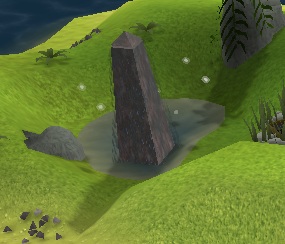
http://runescape.wikia.com/wiki/Water_Obelisk_Island

Compare:

—–

Looking up other Pietmond related names in atlases and came across SoSo Springs in Brewster County, Texas, more commonly known as Pena Blanco Springs. This appears to be the only significant place named Soso outside those directly connected with the Soso, Mississippi village. Quite amazing: a swimming pool formed from the spring waters was the landing spot of a 150+ lb. meteorite in 1946. Article here:

http://www.minsocam.org/ammin/AM32/AM32_354.pdf

INrnooucrtoN
As far as known, man has never constructed a device in which to trap
a meteorite falling to the earth. Had he done so, possibly he could not
have improved upon the swimming pool at the headquarters of the Gage
ranch about 9.5 miles southeast of Marathon in Brewster County, Texas.
This swimming pool received the Pefla Blanca Spring meteorite with a
violent splash at about 1:20 p.u. on August 2, 1946. The meteorite is
named from the spring which forms the swimming pool and which is
an historic landmark in the region. The exact location is longitude
103″7.l’ west longitude 3007.5′ north latitude. The unusual location of
the fall, the fact that the meteorite fell within a few hundred feet of
twenty-four people, and its unusual petrographic character appear to
warrant a fairly complete account….

http://www.encyclopedia-of-meteorites.com/meteorite.aspx?id=18786

—–

Hmmm, well we can go several directions in Pietmond storytelling with this one. First off, Obelisk Pond is the site of a *meteor or meteorite fall*, and the obelisk represents the meteor itself, or marks the location of the fall. Perhaps the falls behind the pond represent the fall of the meteorite. Like the Pena Blanco Springs meteor, our Pietmond meteor, perhaps nicknamed SoSo, fell into this body of water on the western edge of the village. Perhaps it created the pool in the first place. Or it could have been so large that the obelisk was made from it, or at least the obelisk *contains* the meteor or meteorite in some way. I also think back to a realtor I was renting from in Aotearoa who jokingly said to me that all these sinks in the area, including the Aoteaora Sink we were jointly staring into at the time, were perhaps created by meteors. Did the SoSo Meteor create the Pietmond sinkhole itself?? A possibility (!)

http://www.meteorite.com/meteorite-gallery/meteorite-pages/Pena_Blanca_Spring.htm

Might even have some kind of SoSo Meteor gallery based on the pictures in that page linked to above.

—–

http://en.wikipedia.org/wiki/The_Paradise_Syndrome

Meanwhile, over the two-month journey back to the planet, Spock works on the translation of the obelisk’s symbols. He theorizes the obelisk may have been placed on the planet as an “asteroid deflector” built by the ancient Preservers who are believed to have seeded the galaxy with humans, particularly groups that may have been in danger of dying out thousands of years ago. The asteroid deflector was designed to protect them in a high-risk star system. Spock concludes that the device has ceased to work properly. Spock determines that the only hope of saving the planet is to somehow activate the deflector. He eventually realizes that the symbols aren’t words but musical notes; a possible activation code of some kind.

So with this new tie-in, perhaps the obelisk of Pietmond likewise deflects asteroids, perhaps put in place after the original asteriods created the Sunklands sink. Or it may be a model of an original, larger meteor-deflecting obelisk. Words as musical notes…. interesting.

Also interesting is this conjunction of names in Washington state:

http://bakerblinker.wordpress.com/?s=stranger

1 Comment

Filed under **VIRTUAL SL, Jeogeot, MAPS, Pietmond^, Sunklands^, Texas, Washington

Wild Wonderful Frank Park 02

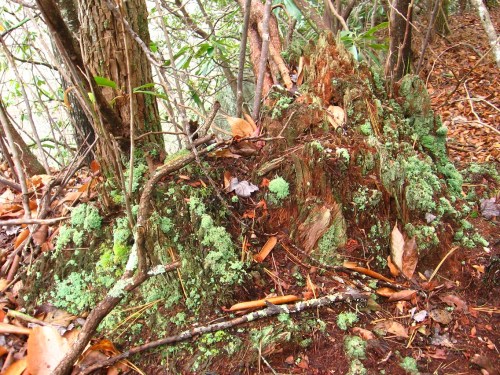
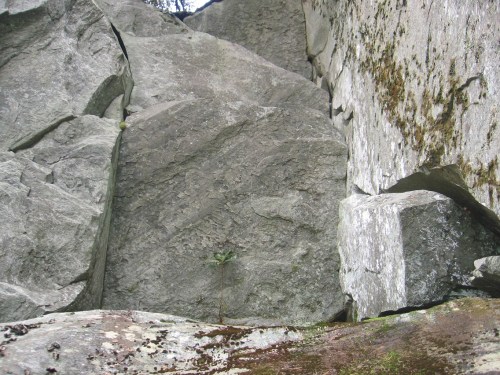
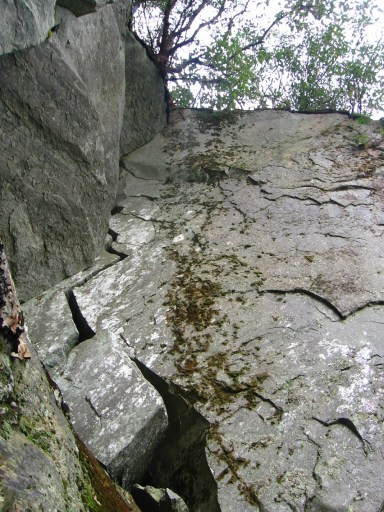
We’re still on top of Crack Rock mentioned at the end of Wild Wonderful Frank Park 01, taking pictures of interesting vegetation like this lichen covered reddish stump.

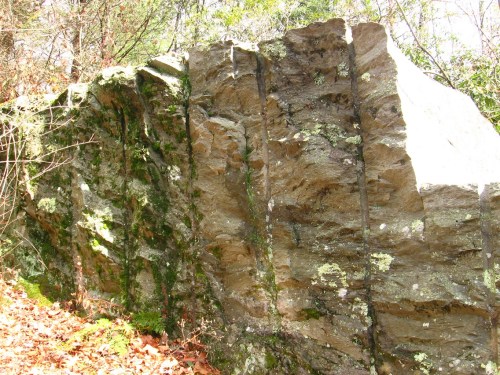
Then in heading back down to the Loop Trail, took more pictures of the side of Crack Rock…

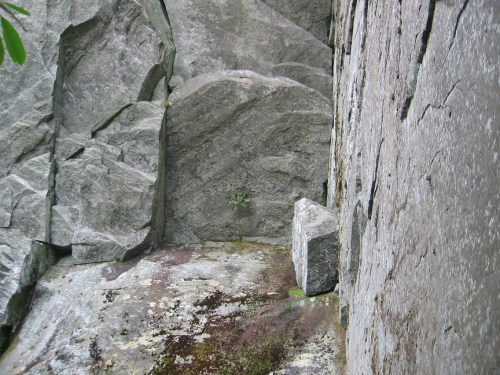
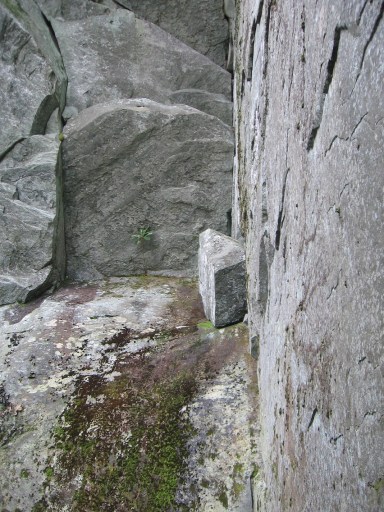
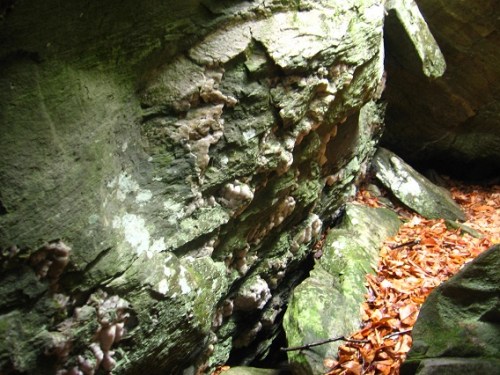
… including several of this especially picturesque setting on the rock wall perpendicular to the one with the crack, and right beside the crack as well. Seems to mean something in a larger way; I’ll let the photos do the talking for now.

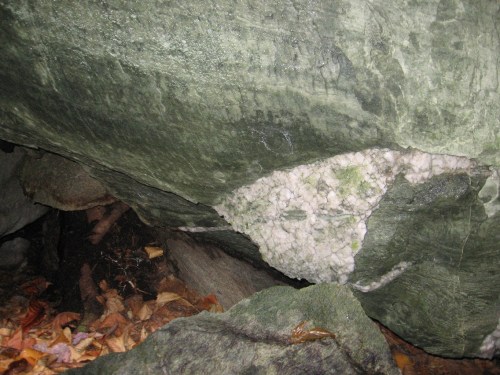
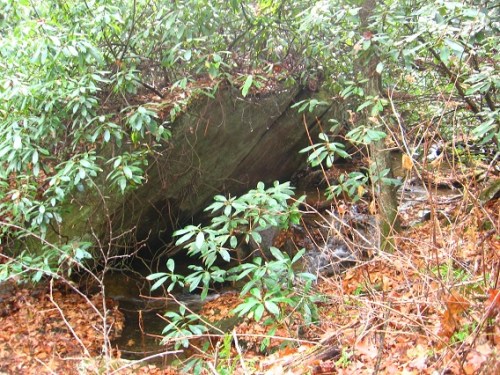
Just on the other side of the trail from here we have a small fissure cave with quite interesting quartz patternings going on.

Cracked Rock and its lightning bolt shaped fracture as seen over top of a trail ladder, the only one encountered on the loop and probably the only ladder on Frank or Herman Park trails as a whole.

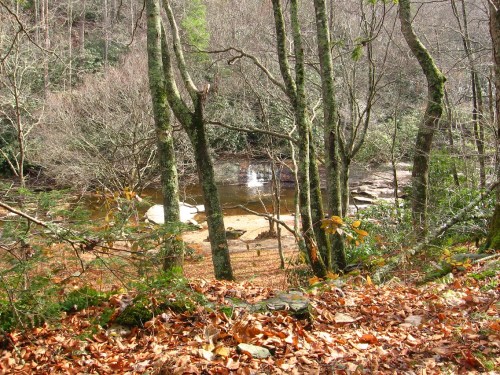
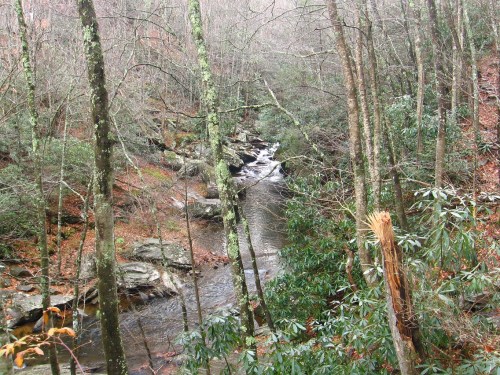
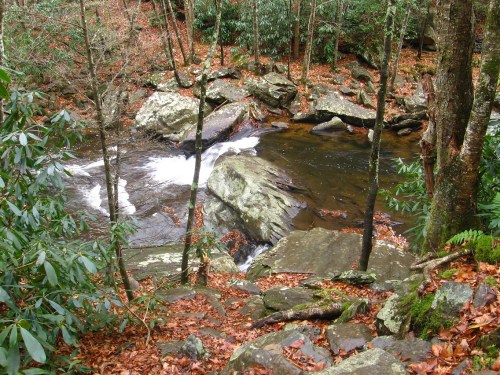
Continuing to roughly parallel Spoon Fork as we head upstream, more vistas of cascades are found on Loop Trail, although the drops tend to be smaller and less roaring as the stream begins to flatten out.

Evidence of past rock shaping. This is near the 2nd Spoon Fork portal featured, for example, in this Baker Blinker Blog post from way back in 2008.

Then to end my series of photos this fine day of hiking, I present to you what I later learned was commonly called a horsehair worm, but which appeared to me at the time (within Spoon Fork) as a sentient *string*. Never seen such a creature before, or even known of their existence. Frank and Herman Parks are teaching me in ways I couldn’t expect.

2 Comments

Filed under Frank Park, Spoon Fork

Wild Wonderful Frank Park 01

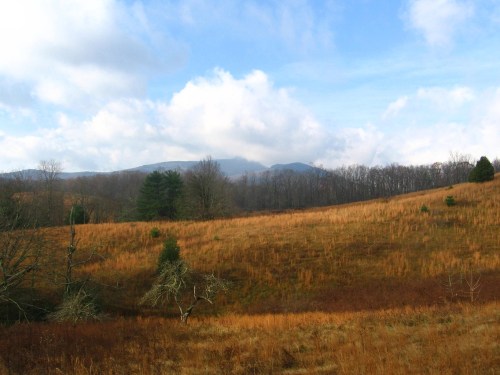
This is actually a snapshot taken the day before all the rest of this post and the next, but still in the same meadow as the second photo below, or on the Frank Park Trail Loop, the longest trail in Frank Park at approx. 5 miles.

View of Granddaddy Mtn. from the meadow, important in Mossman mythology as the source of their fabled Rock Gods.

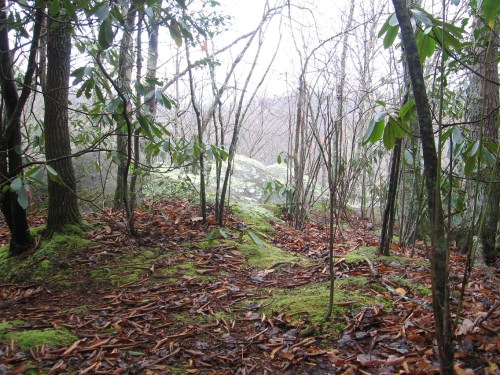
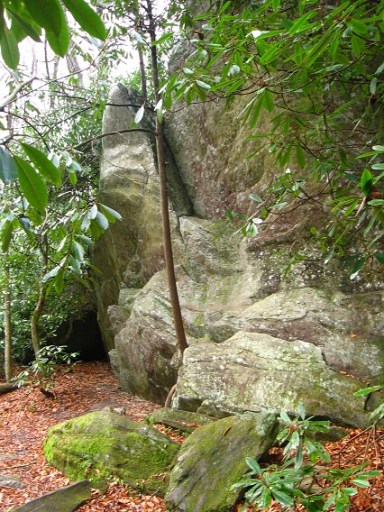
Then in continuing on the loop, we descend into the rhododendon forest and follow Bee Line Creek for about a mile to a mile and a 1/2. The trail runs by 3 larger rocks after the rather steep descent from the meadow, leveling off in the process as it begins to parallel the creek.

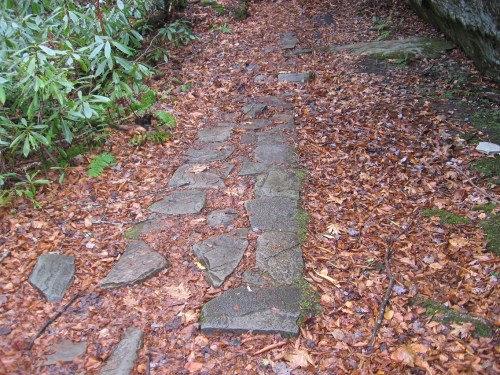
At the last of these rocks, the trail turns into a type of stone sidewalk for a brief spell before reverting back to dirt.

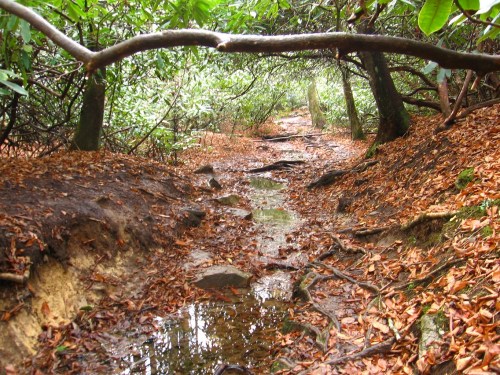
But before long, there’s another much more substantial stretch of the Loop Trail that turns into another element besides dirt, this time *water*. Yeah, that’s a stream actually running through the trail, and this continues for about a football field in length probably but which seems *much* longer. Not recommended for kids or novice hikers looking for a relaxing day out in the woods. Didn’t bother me much, though, since I had more involved reasons for being here (blog mythologies).

Even taking away that tough stretch where it turns to water, the Loop Trail seemed considerably longer than what I remember, with many rocks and places along the way seeming new to me. Is it possible for a trail to actually grow over time psychologically and perhaps even physically? I’m sure Hucka D. would give a resounding “yes” to this. He’s most likely right. I should add that I haven’t walked this loop in its entirety for a number of years, although I frequently hike various fragments of it. Loop Trail circumnavigates what in essence is the wild, beating heart of Frank Park, and helps the hiker grasp and absorb its raw, powerful nature better than any other park trail.

An example would be frequent vistas along its northern side of roaring Spoon Fork rapids and cascades such as those pictured below. Spoon Fork is the largest stream by far in either Frank or Herman Parks, and could be classified as an actual river. It is mentioned in the Baker Blinker Blog most prominently through the Portal System supposedly uncovered by Mossmen as they continued to settle the area of Frank Park. They did not create it however, making the system of unknown, ancient origin. Was it designed by those Rock Gods we mentioned before? I’ll hafta talk with Hucka D. about that whole, large subject soon.

Then we come to Crack Rock, which is, no, not an entrance to a den of illegal substance iniquity but a simple lightning strike shaped crack running perhaps 30 feet up one side a large rock. We’re still on the northern side of Frank Park and fairly high above Spook Fork after just accomplishing a steep ascent. We’re also heading upstream on Spoon Fork after descending along (and even in!) Bee Line Creek up until reaching the northern corner of the park, where Bee Line also empties into Spoon Fork at around the 2 mile point in our loop.

With a bit of effort, I was able to climb to the summit of the rock pictured above, where interesting patches of vegetation were found.

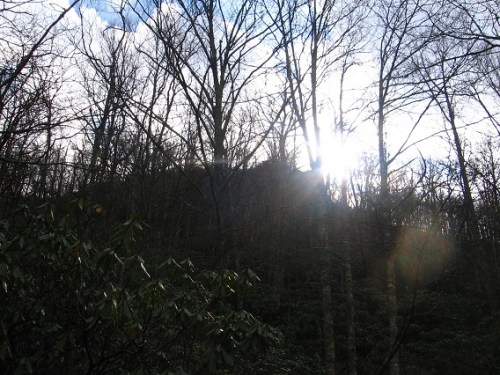
It was also from this summit that I was able to glimpse more, larger rocks near the top of this ridge, which I decided to name Sunrise Rocks because the sun was rising just above them as I took the below photo. Thick rhododendron, however, lies between me and these rocks higher up on the ridge. I decided a visit would have to wait until another time.

Wild Wonderful Frank Park 02

1 Comment

Filed under Frank Park, Spoon Fork

Return of Pietmond — fur sure (!)

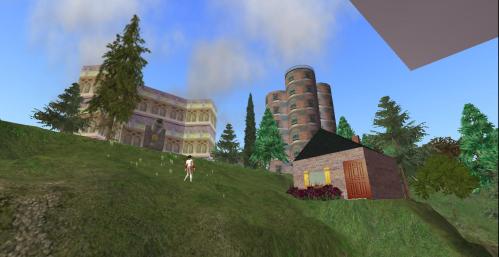
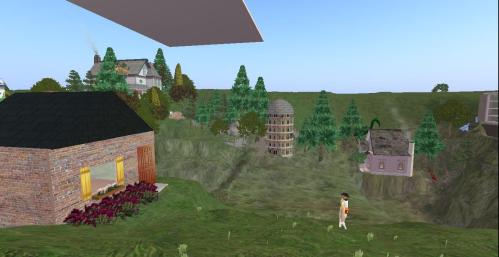
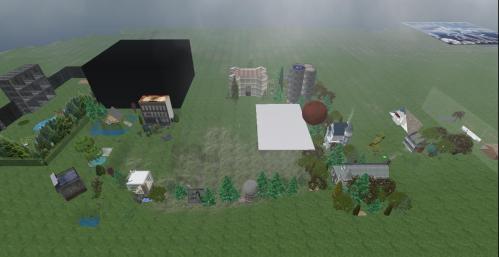
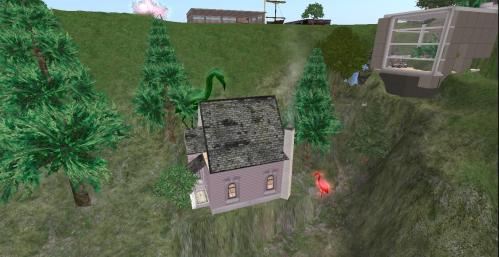
… except I might call it New Pietmond. Here’s Ol’ Running Baker testing out part of the Sink Rim Trail running behind the Rose Cottage on the 512 he just purchased. But that purchase turned out to be just a prelude of things to come…

… because the next day he bought a parcel 16 times as large on the other side of the sink from here: an 8016 square meter one to be exact. So Baker Bloch is back in the business of virtual townmaking fur sure.

An event that made the purchase much easier to choose was the sudden deletion of Baker’s Siliconicus Temple of TILE and Toxic Art Gallery, which have been in what I call Philo for almost a year. The land was wiped and set up for auction, but I have no desire to purchase land over there now. I have Pietmond again! Sort of.

Obvious difference from previous Pietmond versions (if this is truly a new version): I don’t own the land in the actual center of the sink. For this reason, I’m hesitant to rez the Temple of TILE in the new town, because that’s traditionally associated with the very bottom of the Otaki Gorge sink. But it doesn’t seem right to not have the temple *anywhere* in virtual reality. Let’s talk to Hucka…

Hucka D.:

Congrats, baker. Yes, you weren’t suppose to wait any longer for the Pietmond revival. This one will be different.

bb:

It was the same as before — same ol’ song and dance. First I explore Teepot and the possibilities there before moving on over to Pietmond. This happened in 2010, 2011, and now 2012. I see keeping this Pietmond for about 3 or 4 months, or until Spring hiking season begins in late Feb. or maybe early to mid- March. Must get my money’s worth out of it. Hucka D.? It seems he’s gone.

Leave a comment

Filed under **VIRTUAL SL, Jeogeot, Lower Austra^, Nautilus, Pietmond^, Sunklands^