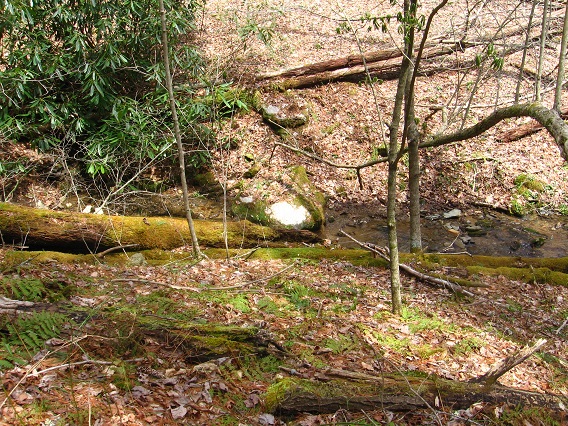
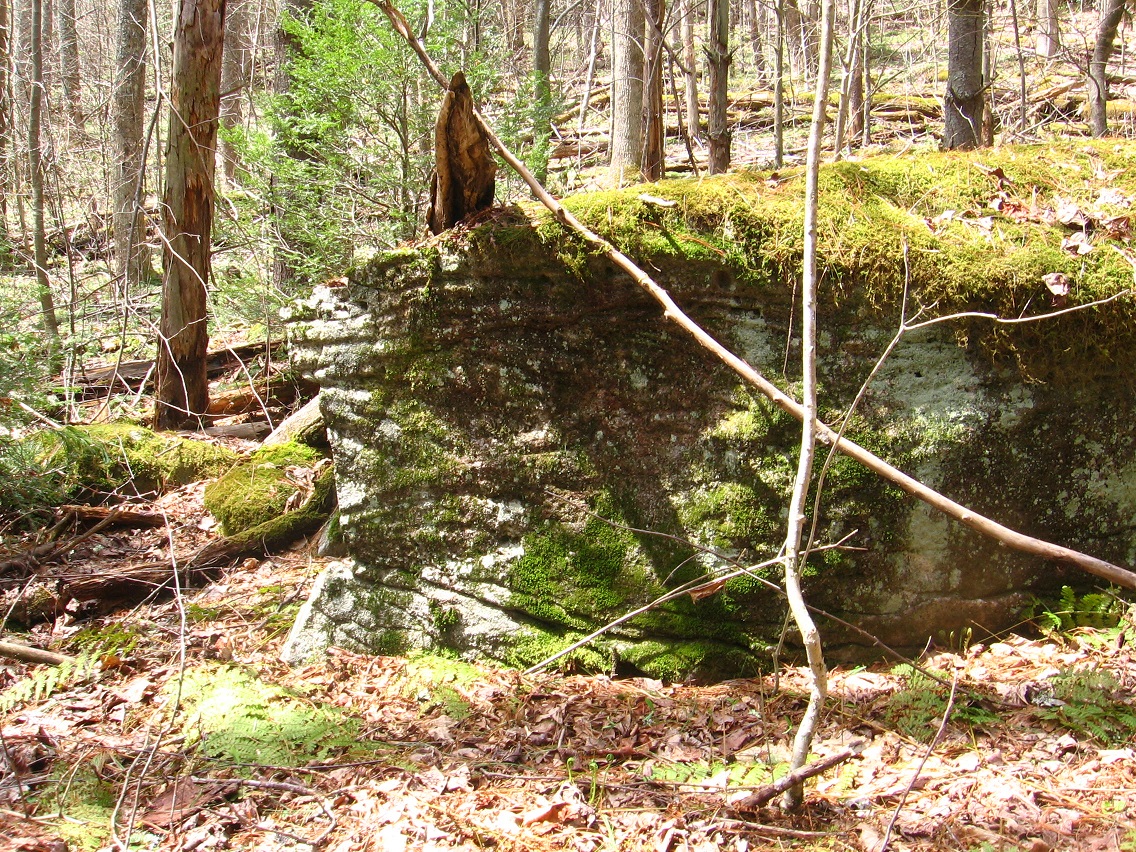
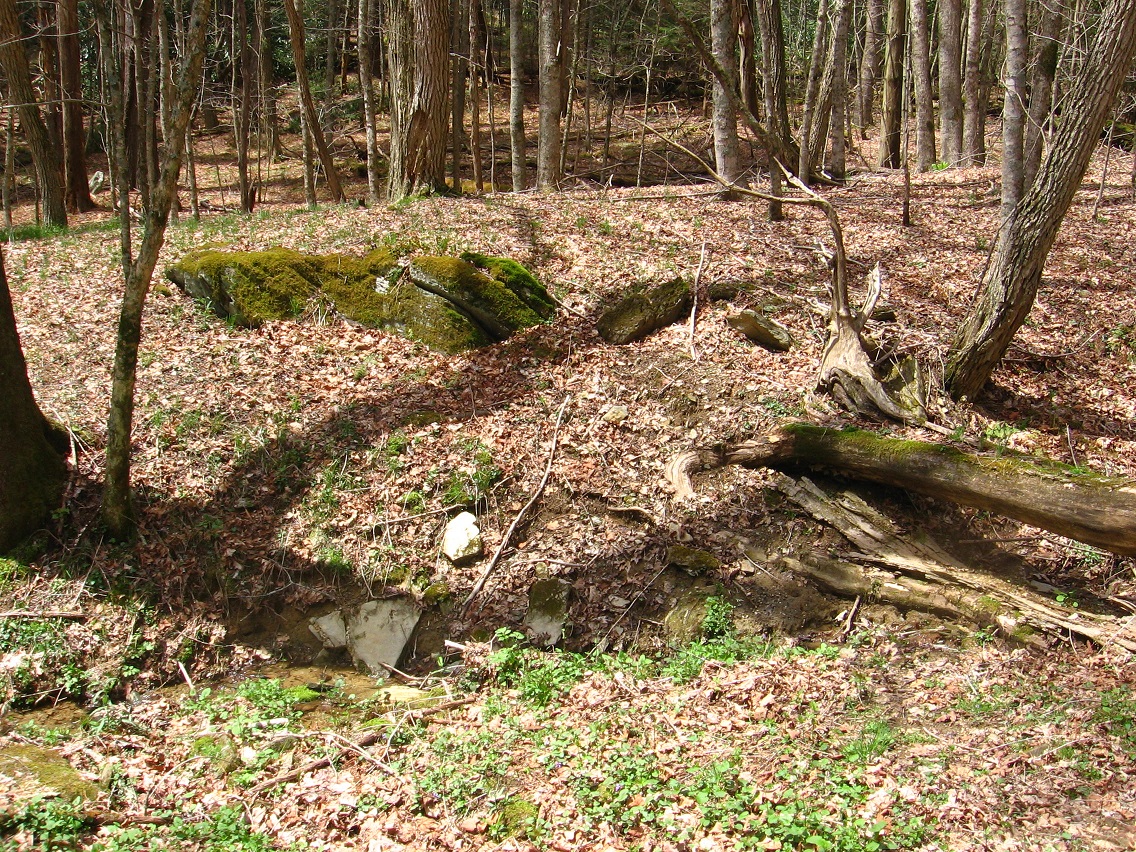
Unnamed Whitehead X-ing rock near 4 Sticks, on the opposite side from Whitehead Brook.

“Exploding” end of a branch atop a nearby rock, also unnamed.
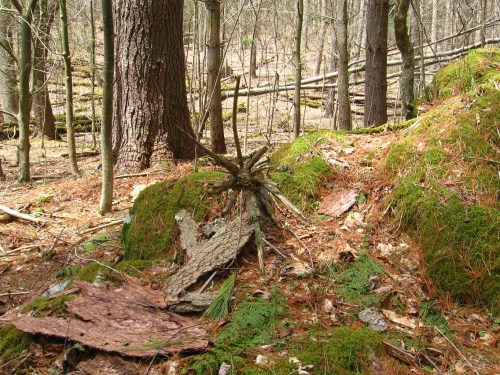
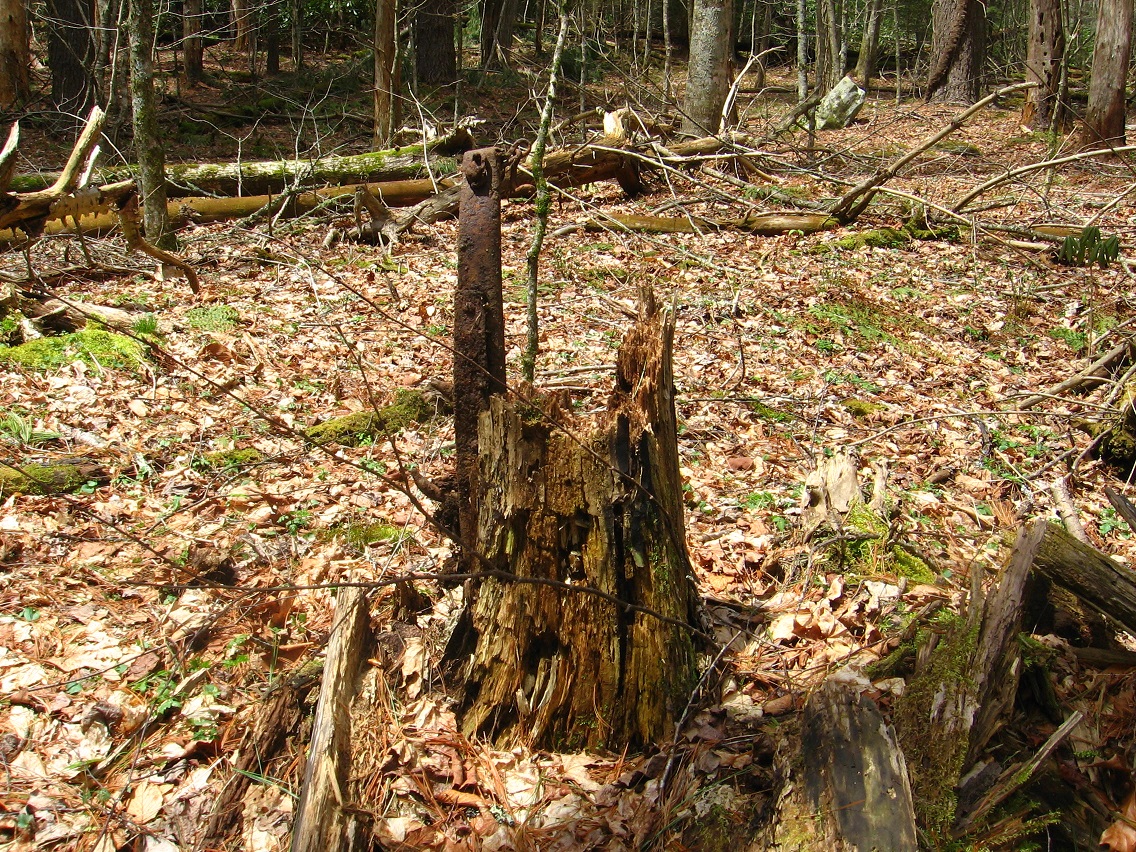
Interesting shiny spot on a 4 Sticks limb; of unknown nature.

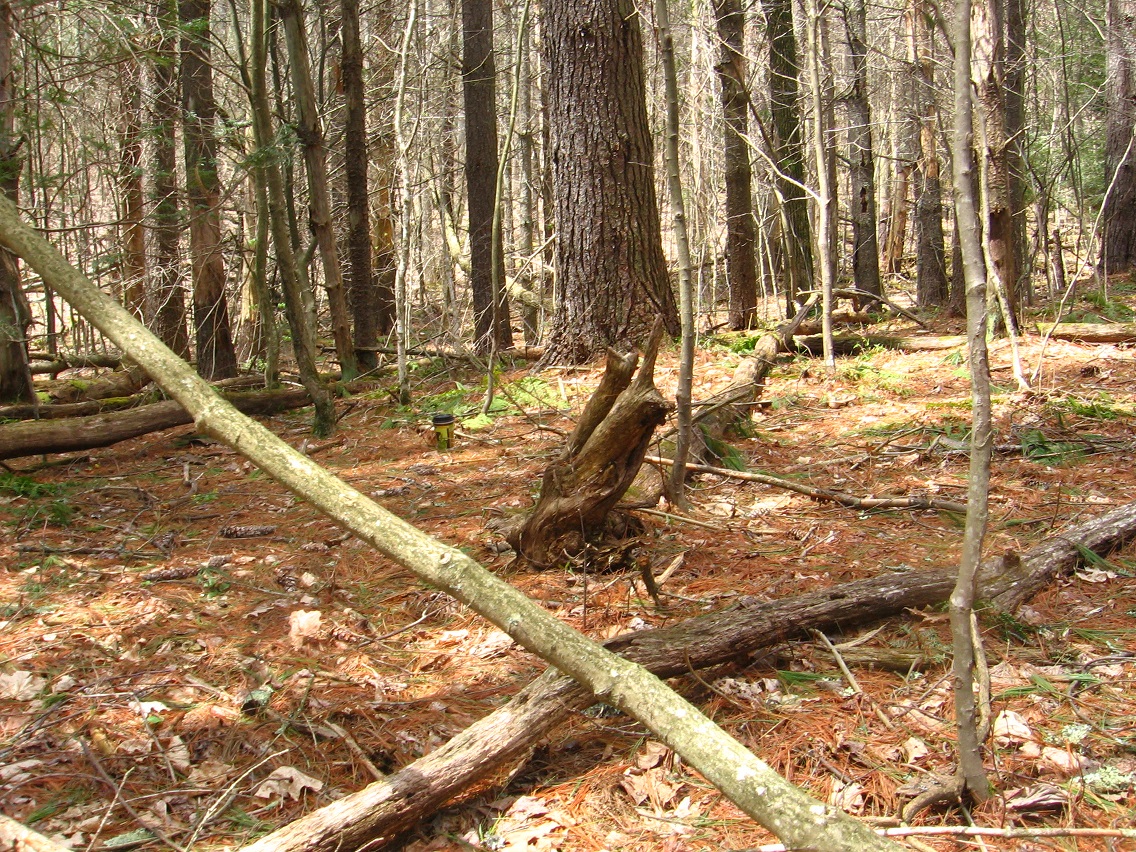
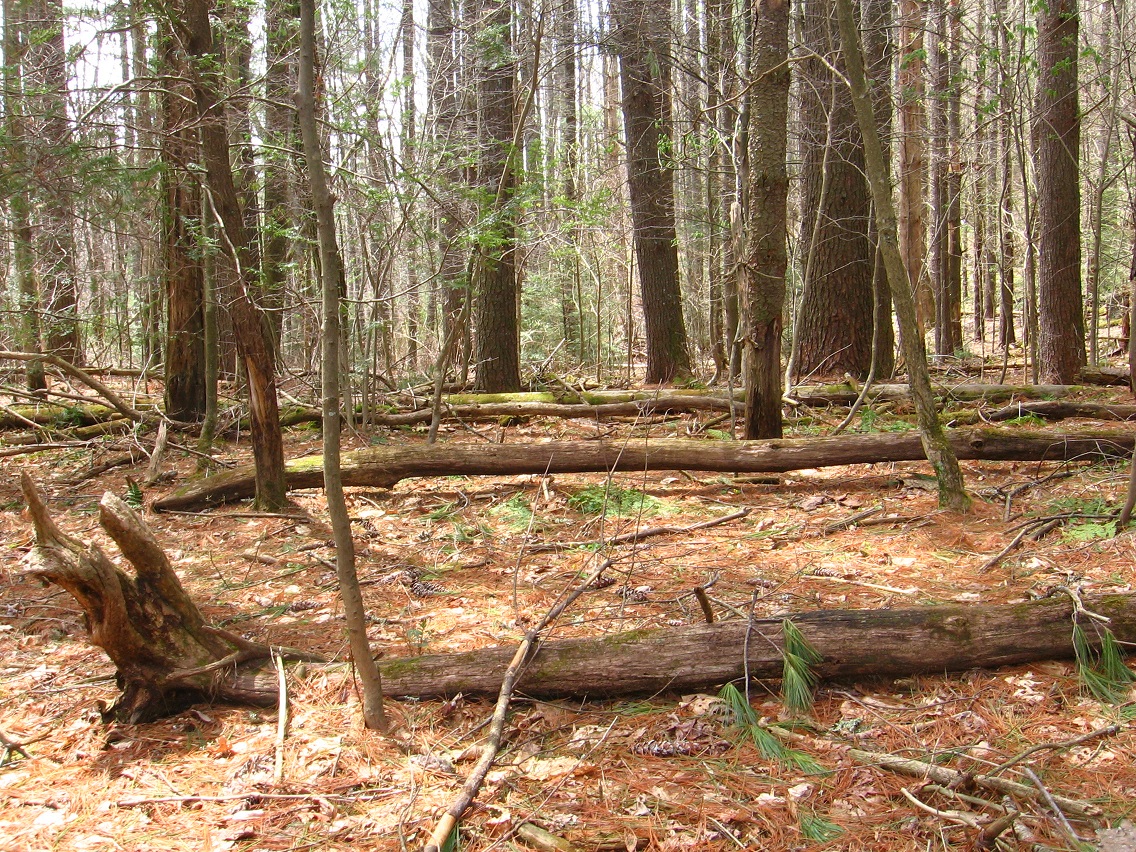
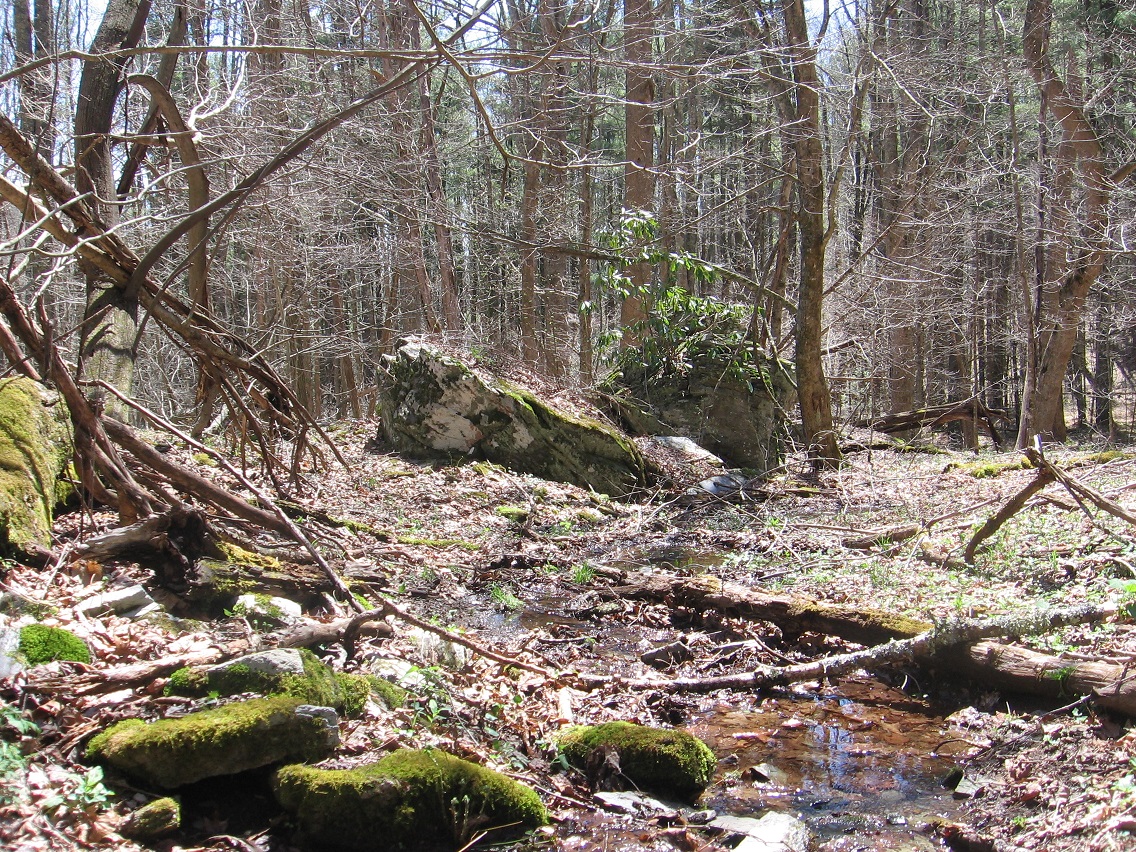
4 Sticks. This is most likely an area originally called ZoSo because of this, perhaps later morphed into SoSo (SEE: Pietmond).
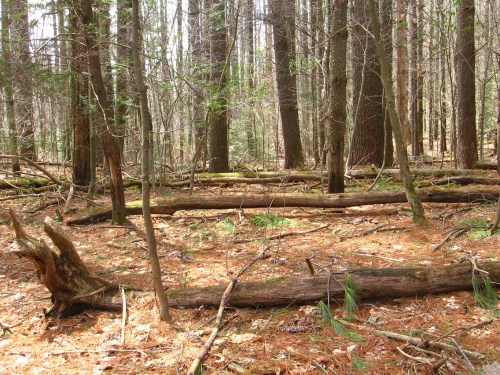
Floating branch segment in 4 Sticks, unusual as well because it is much thicker than the supporting tree. Does the tree mind bearing such “dead weight”?*

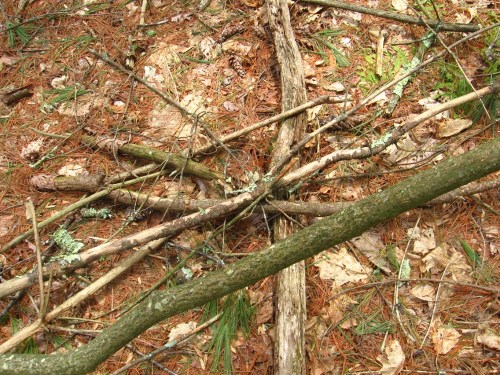
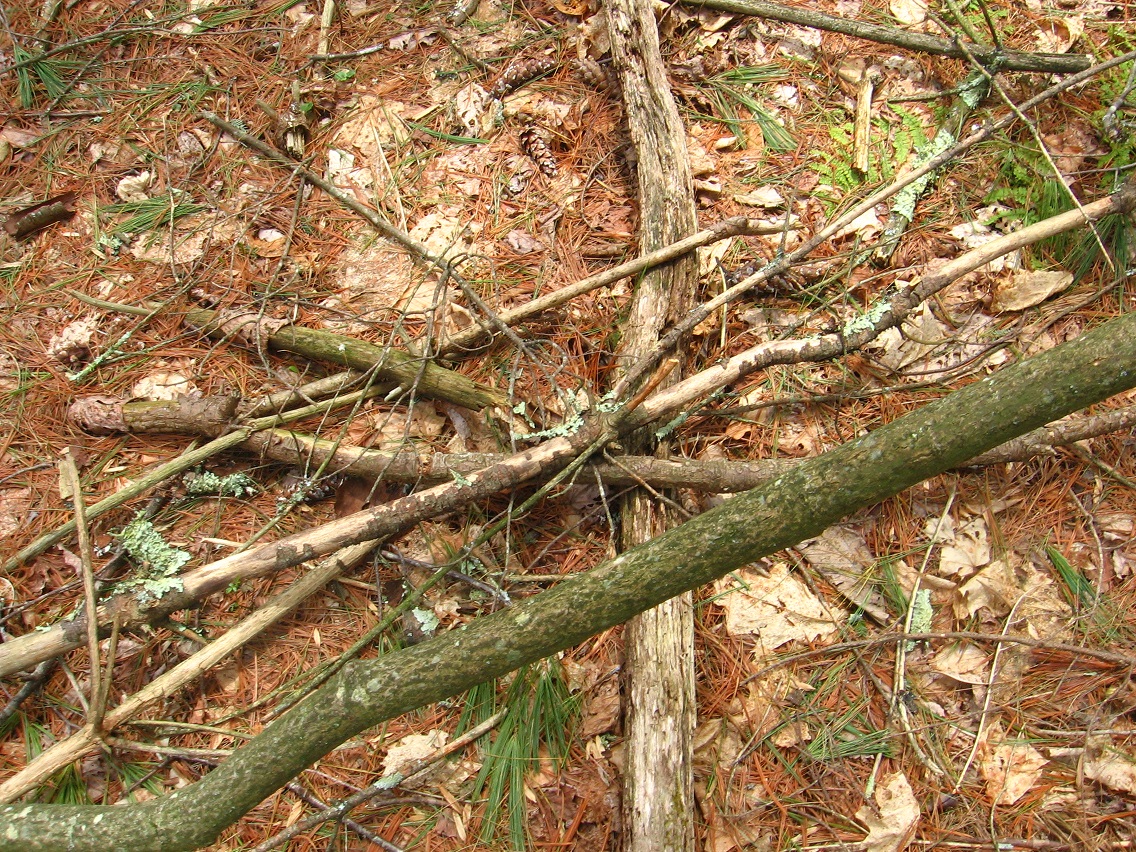
Crisscrossing of sticks in the 4 Sticks area, but not any of the 4 Sticks themselves, which run, instead, parallel to each other in a row.
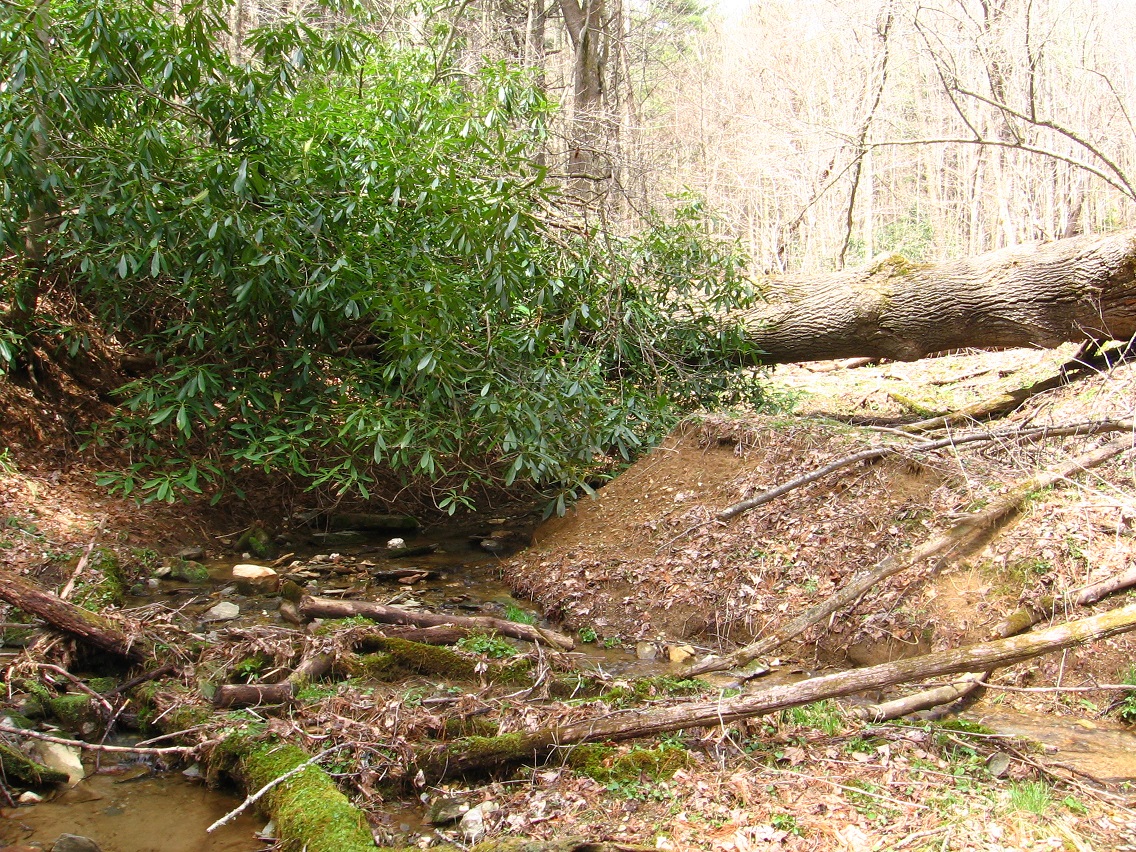
Big Log (name?) disappearing into rhododendron above Whitehead Brook. The higher creek bank before it may soon be topped with some kind of avatar “castle” or other structure. Just a vision.

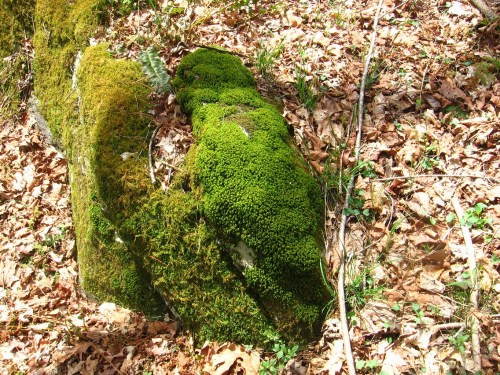
Little Whitehead scene with the “green turtle” rock again mentioned at the end of the Whitehead X-ing Again 01 post.

But when we shift to the top of the formation, it takes on more the appearance of a green *parrot*.
—–
* Compare this to the album cover of Zoso, also known as Led Zeppelin IV. This album was highlighted in Carrcass-3, by the way.
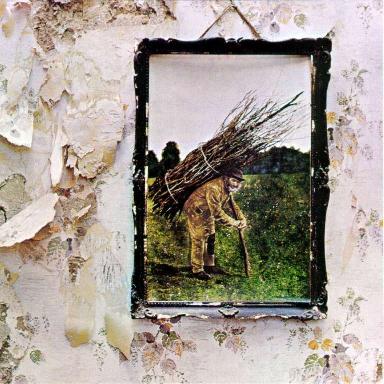
Hucka Doobie has since indicated that the hanging branch is a direct reference to this cover (!).
http://en.wikipedia.org/wiki/Led_Zeppelin_IV#Album_cover_and_inside_sleeve
The 19th-century rustic oil painting on the front of the album was purchased from an antique shop in Reading, Berkshire by Plant.[5][6][17] The painting was then juxtaposed and affixed to the internal, papered wall of the partly demolished suburban house for the photograph to be taken.
Page has explained that the cover of the fourth album was intended to bring out a city/country dichotomy that had initially surfaced on Led Zeppelin III:
It represented the change in the balance which was going on. There was the old countryman and the blocks of flats being knocked down. It was just a way of saying that we should look after the earth, not rape and pillage it.[8]
However, regarding the meaning of the album cover, he has also stated:
The cover was supposed to be something that was for other people to savour rather than for me to actually spell everything out, which would make the whole thing rather disappointing on that level of your own personal adventure into the music.[18]
The album cover was among the ten chosen by the Royal Mail for a set of “Classic Album Cover” postage stamps issued in January 2010.[19]
The inside illustration, entitled “The Hermit” and credited to Barrington Colby MOM, was influenced by the design of the card of the same name in the Rider-Waite tarot deck.[6] This character was later portrayed by Page himself in Led Zeppelin’s concert film, The Song Remains the Same (1976). The inner painting is also referred to as View in Half or Varying Light and was sold at auction under that name in 1981.[20]












 Sunklands