Category Archives: Shining, The
Stipe
http://celebritycemetery.blogspot.com/
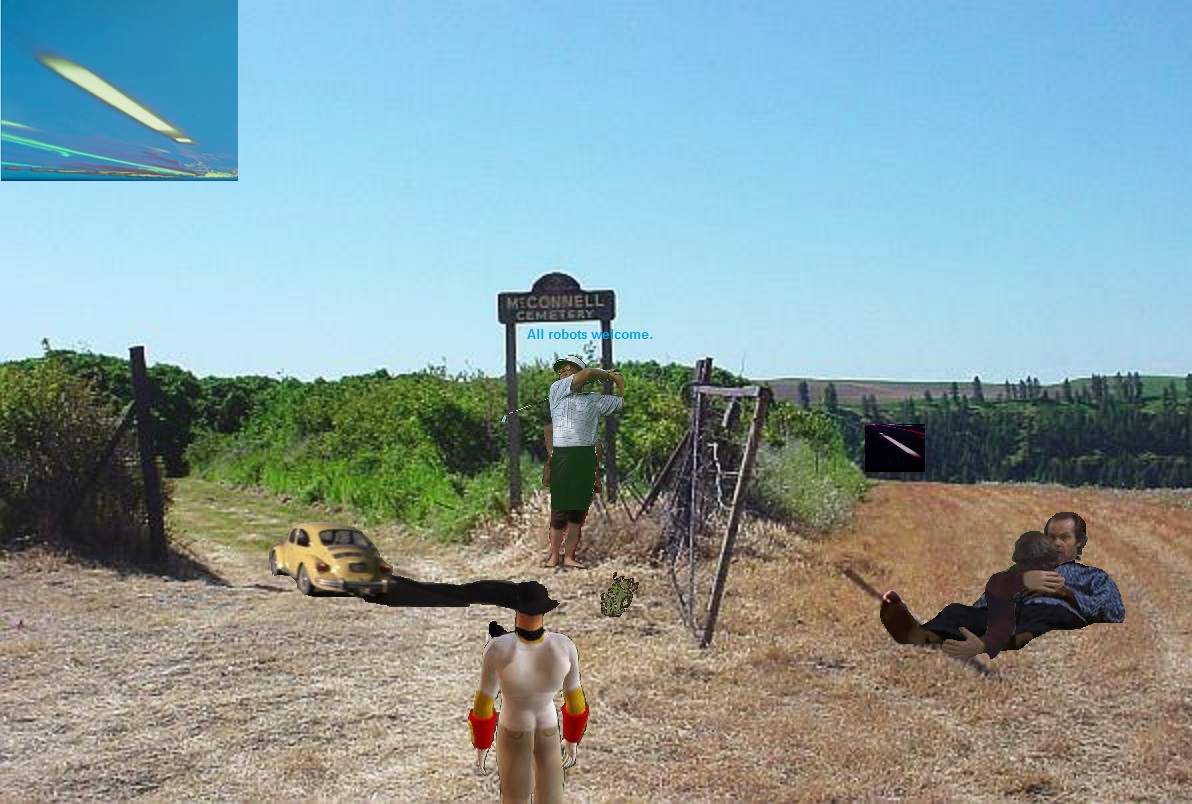
AIDS-ey REM singer Michael Stipe has always looked a bit peaky, but is it enough to shove him through the door of life down into the deep, dark wine cellar of death? Let’s wait and see, eh?
Predictor: Alistair Reid, Brighton
Mortality Status: Alive


Filed under collages 2d, MAPS, Murmur, Qbrick, Stanley, Shining, The, Washington
Red
There are many white and black/dark specks or errors in The Shining. In contrast I’ve only seen 2 red flashes so far, and both appear to be one frame affairs. Here they are again.
https://bakerbloch.wordpress.com/2014/01/09/keys-02/
Another red spark is seen beside the DANGER HIGH VOLTAGE sign after Wendy seems to shock Jack (58:56).

https://bakerbloch.wordpress.com/2013/12/31/strange-03/
Certainly Wendy is being illuminated here as well, with the realization that her husband is truly, stark raving mad (!) In the same shot we have a more conspicuous *red* colored flaw on the bannisters to her right in the picture, about 6 seconds after the one described above flashing atop a *red* triangle [1:43:05].

Meaning: Pay attention to something *red* in these shots??
Filed under Qbrick, Stanley, Shining, The
White to Gray
The Holocaust
Another metaphorical theme enveloping The Shining is that Kubrick used the film as a means to deal with the Holocaust. Room 237 mentions the reccurring use of the number 42 in the movie—as in the year 1942 when the “Final Solution” was put into place.
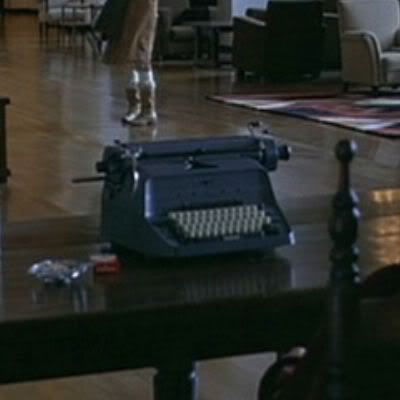
However, one of connecting tissues is the reappearance of the figurative eagle in the film. The interviewees in Room 237 allege that the typewriter Jack so fondly uses to type pages and pages of, “All work and no play makes Jack a dull boy,” symbolizes the Third Reich’s mechanical methods of killing people and their obsession with list-making. The machine is made by German manufacturer Adler which means “eagle” in the English translation.

White…
… to gray.
https://bakerbloch.wordpress.com/2014/01/09/keys-02/
Between Jack Torrence’s writing session with the White Adler – and his evening writing session with the (now) Grey Adler, Stephen King had sent Jack Torrence down to the Hotel’s Boiler Room. During this trip, in the book, Jack Torrence had discovered the Hotel Scrapbook. This is the large open book that we see on the table next to Jack Torrence’s Grey Adler. Stanley Kubrick famously wrote Jack Torrence’s trip to the Boiler Room out of the film script entirely, despite the lengthy protestations of his co-writer, Diane Johnson – who identified the trip to the Boiler Room as the story’s most critical ‘point of characterization’ in regards to Jack Torrence, because his discovery of the Hotel Scrapbook is what initiates his ‘insanity’, the very insanity that the film is supposed to be all about.
I propose that Stanley Kubrick wrote Jack Torrence’s trip to the Boiler Room out of the script – because he is using the ‘omission’ as a device. A device which shifts the ‘weight of importance’ that was previously assigned to the Hotel Scrapbook – to some other item which can be found in the Boiler Room later in Stanley Kubrick’s film. The changing colour of the typewriter, from White to Grey (during what would have been Jack Torrence’s ‘plot-critical’ trip to the Boiler Room) indicates that there is something very special about the word “Grey” – specifically in relation to the Boiler Room.
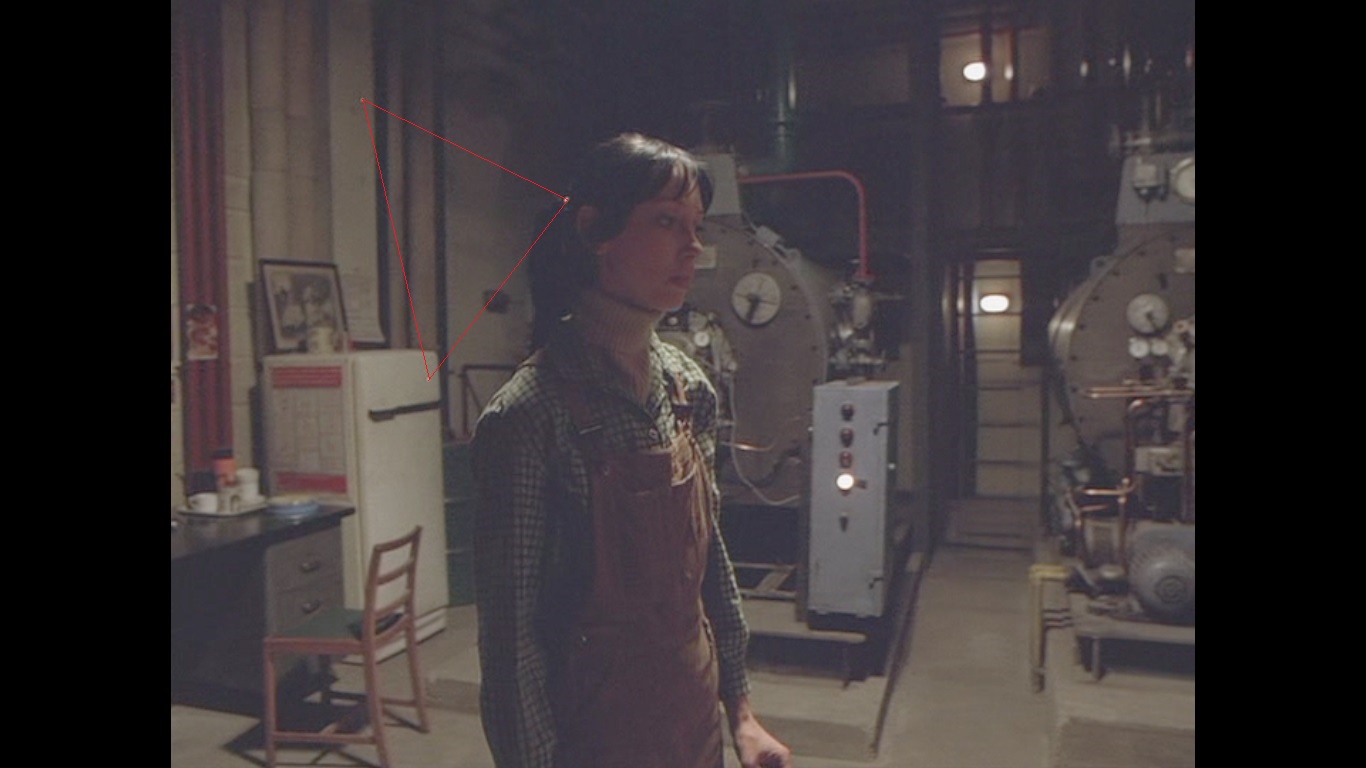
Boiler Room: △ White + Gray(son County).
This is the place where the typewriter is neither white nor grey but a mixed up, in-between place.
—–
http://en.wikipedia.org/wiki/Quedlinburg
During the Nazi regime, the memory of Henry I became a sort of cult, as Heinrich Himmler saw himself as the reincarnation of the “most German of all German” rulers. The collegiate church and castle were to be turned into a shrine for Nazi Germany. The Nazi Party tried to create a new religion. The cathedral was closed from 1938 and during the war. The local crematory was kept busy burning the victims of the Langenstein-Zwieberge concentration camp. Liberation in 1945 brought back the Protestant bishop and the church bells, and the Nazi style eagle was taken down from the tower. Georg Ay was local party chief from 1931 until the end of the war.

The former collegiate church of Quedlinburg Abbey, now the Lutheran church of St. Servatius, from which the artifacts were taken
Filed under Qbrick, Stanley, Shining, The

Postcard from Steptoe
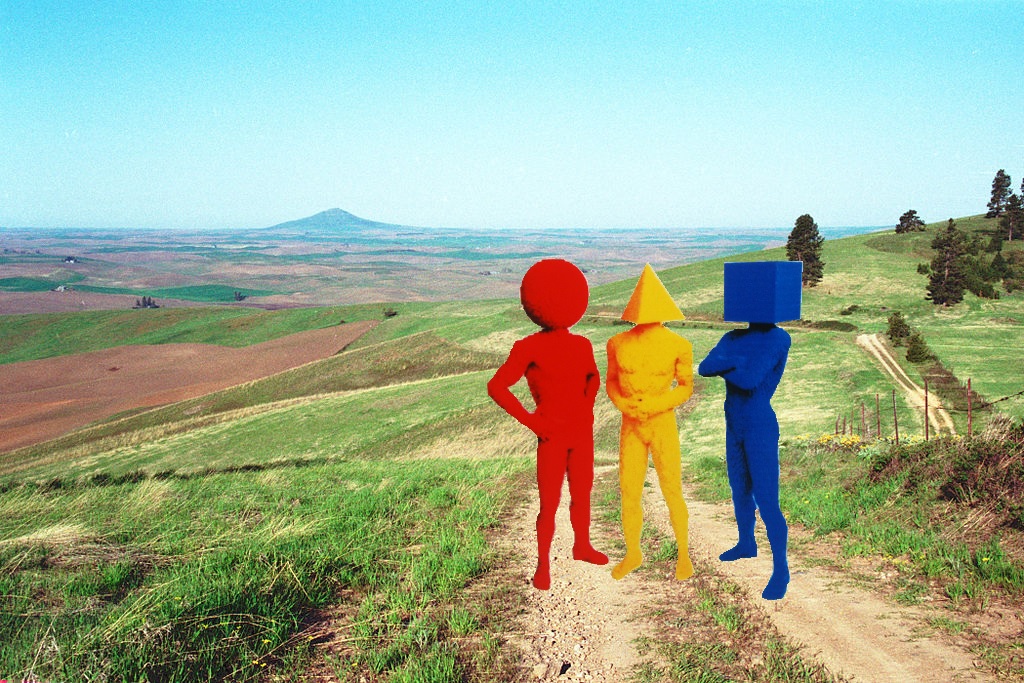
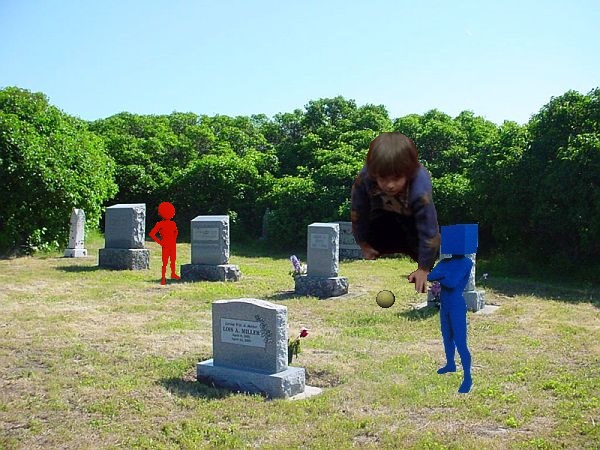
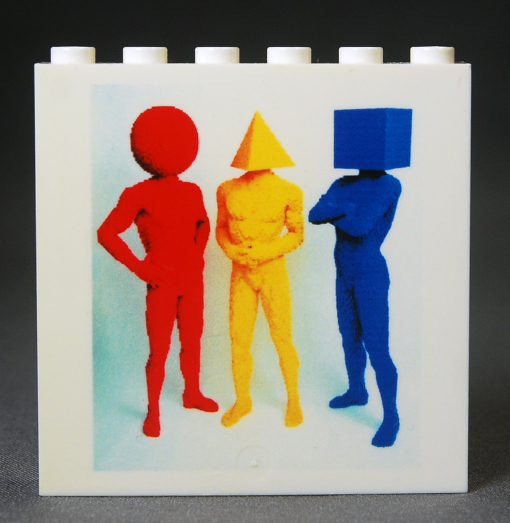
Story Room consists of 3 individuals who don the geometric shapes sphere, tetrahedron and cube to mask their true identities. Sometimes lead singer Steptoe Butte is from Whitman County, Washington.
From the Uncyclopedia entry on Steptoe Butte:
“He was a striking-looking guy and he also bought weird records, which not everyone in the store did”, collaborator Pete StarBuck recalled. The two became friends and eventually decided to form a band.[1] StarBuck and Steptoe started writing music together;[2] at the time Steptoe also spent time in a local group named Raid.[3] The pair were soon joined by Bill Mills and Mike Berry and named themselves Murmur, a name Steptoe selected at random from the dictionary.[4]
—–
“Hucka D., clarify for me something. Wouldn’t Steptoe be the blue figure here?”
Hucka D.:
Sometimes.
bb:
Is he the yellow figure as well?
Hucka D.:
No.
bb:
The red figure is the boss.
Hucka D.:
That’s Story Room.
bb:
I’m confused. I thought the name of the band was, or is, Story Room.
Hucka D.:
It is. (pause)
bb:
Where does Tom’s Petty High fit in[ here]?
Hucka D.:
Yellow. Lemon yellow.
bb:
Each… sorry.
Hucka D.:
Each rule over their portions of The Shining that come before or after. So Tom’s Petty High rules the psychiatrist-Danny scene. What have you renamed that recently?
bb:
The Story Room. Oh, wait. That’s — I know what you’re talking about now — that’s the Bear Pillow Scene, with all the little blips and sparkles, at least a handful that seem to mean something.
Hucka D.:
Sorry as well: actually Story Room rules that scene. So that’s why you have the word “strange” highlighted spoken by the doctor, and then the Duck just afterwards. The duck is both the lemon colored VW that protagonist [sic?] Jack drives to the Overlook Hotel to start the movie, and also Duck, WV, then. The presence of The Duck demonstrates the rule of Story Room, see.
bb:
Let’s see.
—–
Hucka D.:
Story Room had a lot of fun with that room.
bb:
Isn’t Story Room, though, the room in the exact center of the Shining with all the rainbow colors, Hucka? Rainbow man Hallorann lies in the middle. Soon to shine. [no answer]
January 13, 2014 · 10:38 am
The Shining: Other Considerations 01
At 1:51:50 in, we have another partially hidden tiger behind Wendy, just as we did in the earlier Bear Pillow Scene where the psychiatrist talks to Danny about Tony. In the present scene, Wendy has just locked Jack in the “Story Room” (Hallorann’s clear words he calls the storage room, and what the great majority of viewers just pass right over), after their battle on the stairs, where Wendy konks him with a baseball bat. The obviously possessed Jack is attempting to persuade Wendy to let him out, saying he’s badly hurt, etc.
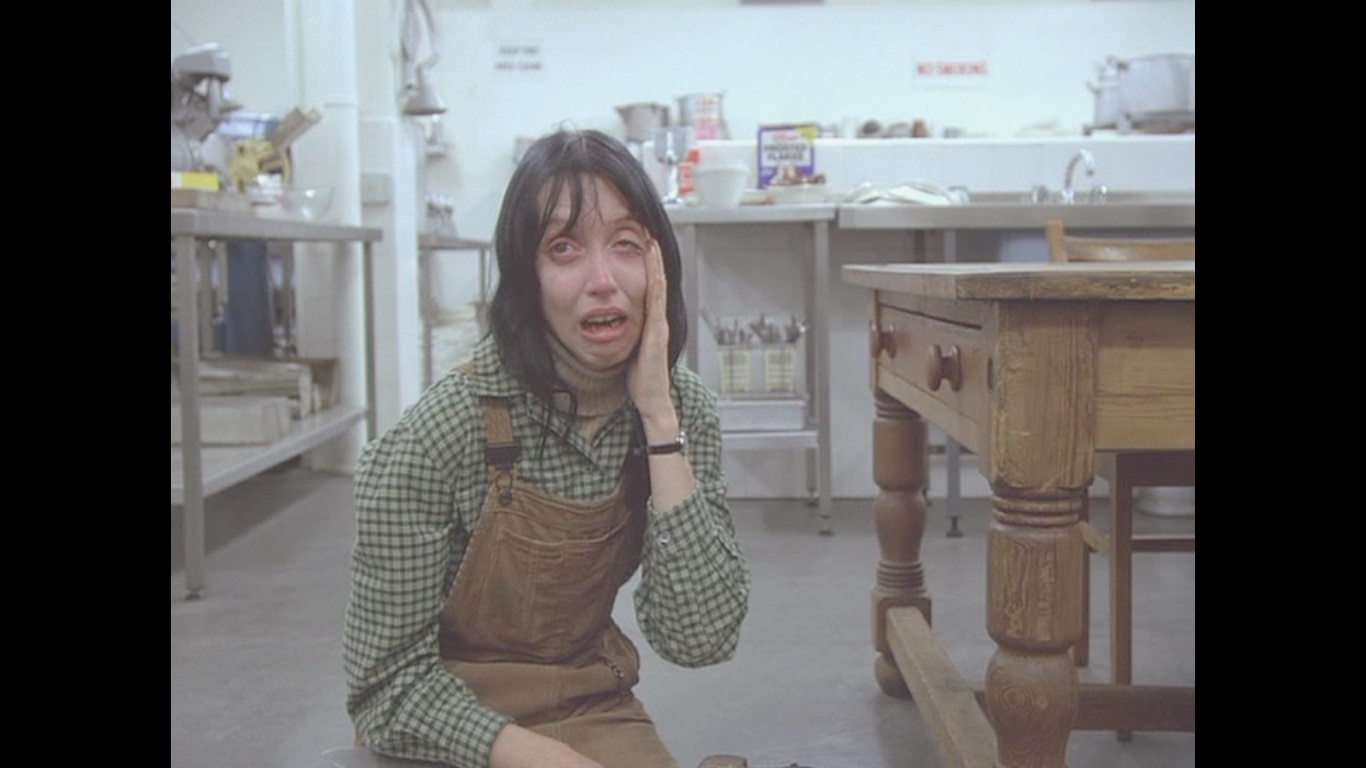
Jack breaks through the REDRUM bathroom door. I wonder what is reflected in his axe — hafta check this when I get a blu-ray player. At any rate, it certainly doesn’t look like the interior of the bathroom. Maybe this *is* just a type of continuity error? Kubrick couldn’t have planned *everything* in this film. But I kind of doubt it, given the focus Kubrick puts on this particular door, and the extreme camera angle here. He probably wants us to see something (again!).
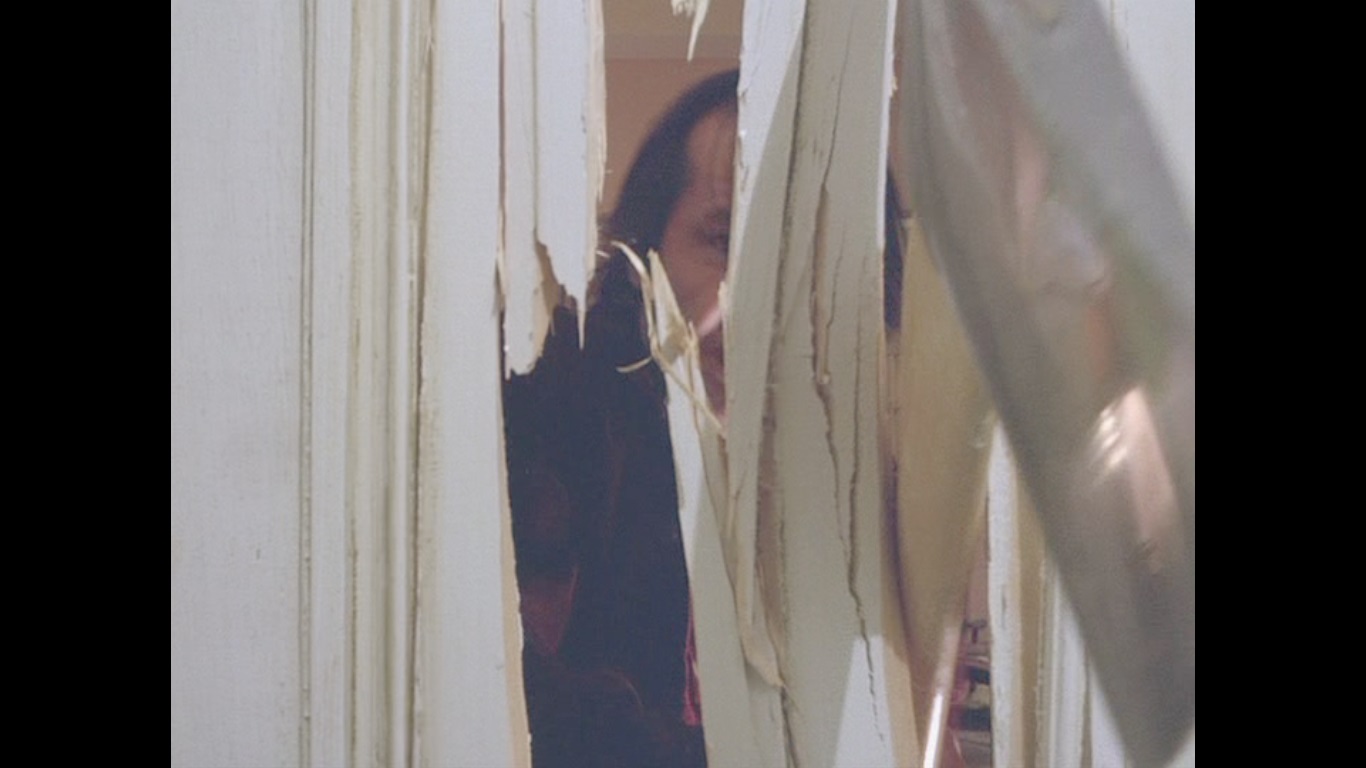
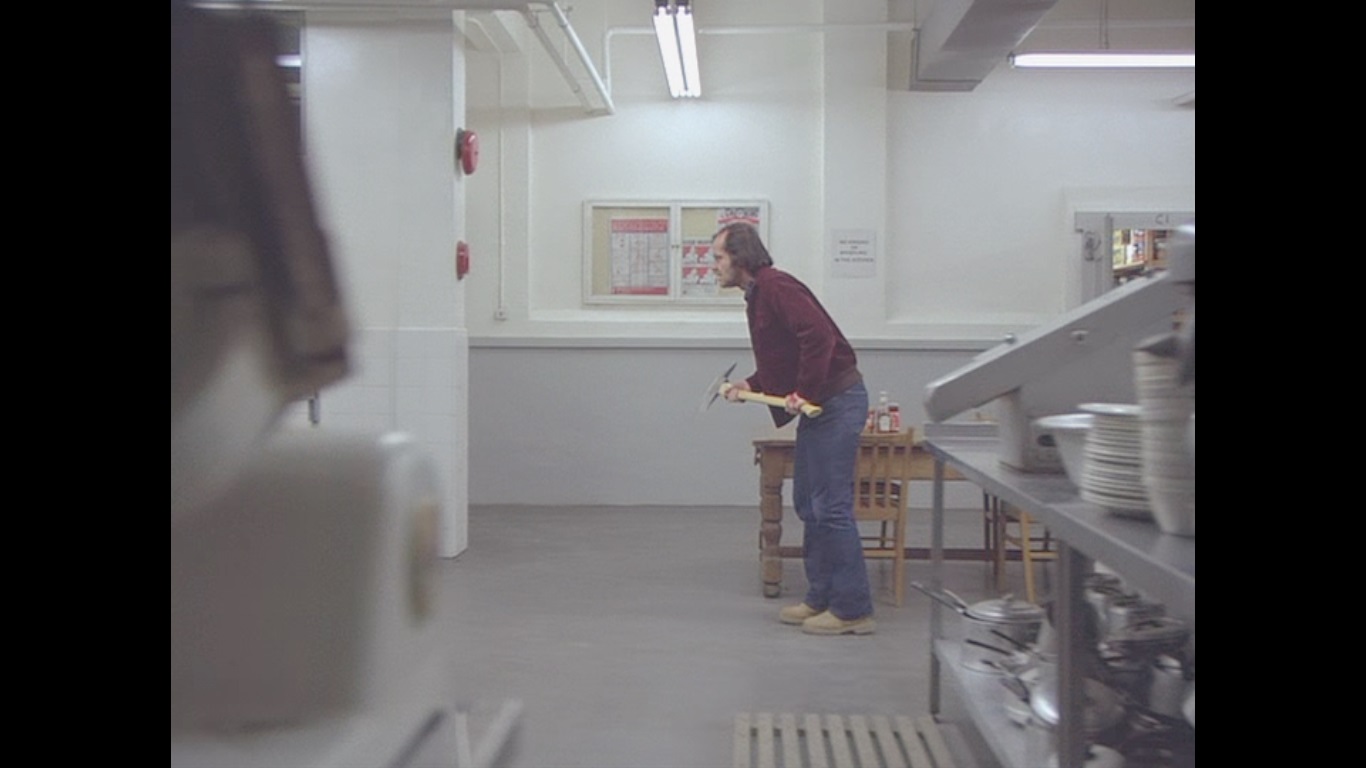
This is more obviously planned: Jack’s limping stagger through the kitchen when he’s searching for Danny (after pulling off the attack of Wendy when they hear Hallorann pull up in the sno-cat) is obviously suppose to line up with the chOking poster above his head here. He wears it as he would wear a crown.
Filed under Qbrick, Stanley, Shining, The
Circle of 12?
“So much information coming in now, Hucka D.”
Hucka D.:
Move into REM. What’s the variant name?
bb:
Unsure Hucka D. Should I check UmapS?
Hucka D.:
Yes.
bb:
That it?
Hucka D.:
No.
bb:
Story Room?
Hucka D.:
I am the manager. We put out 1-10 records, you guess. But certainly “What’s Up Doc?”. We got sued by Warner Brothers.
bb:
Did you now?
Hucka D.:
Yes. Cash. Sue. Cash. Nickel and dime. Goldberry.
bb (offering):
Macon bacon?
Hucka D.:
Denison. Denizen.
bb:
So… Story Room? What’s the deal-i-o?
Hucka D.:
Well, the sueing. Then the settlements. Settle.
bb:
What is the lemon message in The Shining?
Hucka D.:
What he said.
bb:
Murder.
Hucka D.:
Yup.
—–
bb:
Is Story Room created through the CHRO system?
Hucka D.:
Munck.
bb:
Hmmm. Is it a code? Is it like the lemon code?
Hucka D.:
Make your graphic.

—–
“So this is how Story Room wants Carrcass-10 to be represented.” [no answer]
—–
It makes sense. Story Room is the (red) circle, all encompassing. Tom’s Petty High is yellow, reduced or condensed into a tight triangle. REM is blue. But it’s not REM.

Filed under collages 2d, Qbrick, Stanley, Shining, The, Story Room, Tom's Petty High
Lemon Message
The wife and I watched the second episode of the popular Sherlock television series tonight, and I was very interested to see several things that resonated with my ongoing Shining research. The first comes in a graffiti message code found near the beginning of the show.

This is a better indication of what I’ll call the lemony color of the graffiti, which immediately struck me…

The Blind Banker.
… because it’s basically a direct match, to my eyes, for the color of the The Shining’s mirror scrawl found by Icke forum frequenter mata. It also represents another code according to him (or her), and in a somewhat similar physical style, if on a considerably smaller scale.
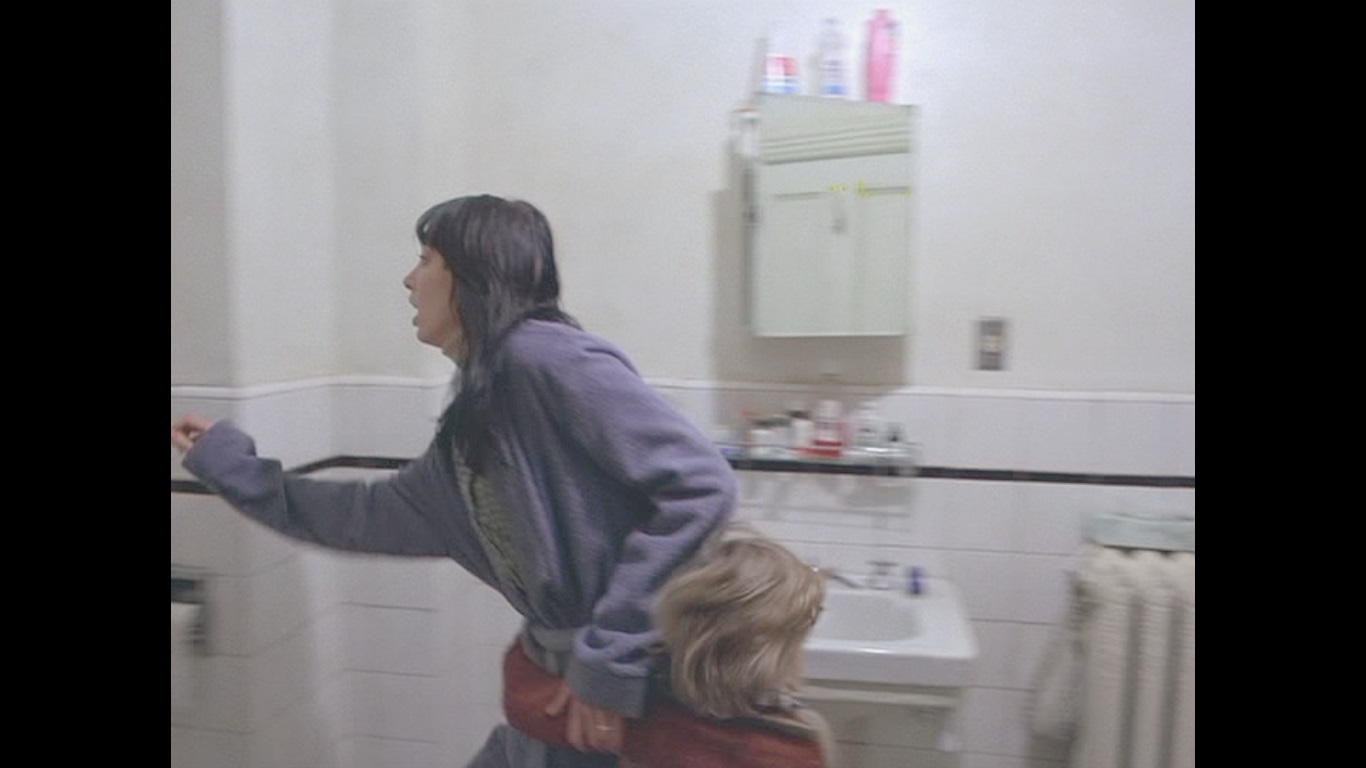
And, thinking of the first 2 images above from Sherlock, keep in mind there are *eyes* below this mirror that stare at Danny as he fully faces them in an extended, even forced glance while running w/ his mother toward the bathroom window. Mata theorizes that these are the silhouette eyes of Stanley Kubrick himself, and also claims that they are part of the code as well, which he claims to have solved: “I saw murder.”

http://en.wikipedia.org/wiki/The_Blind_Banker
A break-in occurred in which nothing was taken, but an apparently meaningless pair of symbols were spray-painted onto a portrait of a banker. Sherlock realises that was a message meant for one man – Edward Van Coon of the Hong Kong desk – who hasn’t come to work. Sherlock breaks into Van Coon’s locked flat and finds him dead. The police, under Detective Inspector Dimmock (Paul Chequer), are prepared to regard it as a suicide, though Sherlock sees it as murder. Soon, journalist Brian Lukis (Howard Coggins) is also killed inside his locked flat. Sherlock and John investigate, and in a library where Lukis had been they find the same mysterious symbols painted on a shelf.
And now part 2…
Sherlock realises that Van Coon and Lukis were members of the Tong, involved in smuggling valuable antiquities from China to sell in London, and that they were killed because one of them stole something.
Compare with this:
https://bakerbloch.wordpress.com/2014/01/10/3-whites/
Meador, a soldier with good knowledge of art, recognized the importance of the treasures (among them being Gospel of Samuel and the Crystals of Constantinople). He sent the treasures to Whitewright via army mail, and the art was placed in a safe at the First National Bank of Whitewright.
Meador died in 1980, and his heirs tried to sell ten pieces of Beutekunst (looted art) on the international art market.
Pretty close match as well! Meador’s Whitewright is in the same county (Grayson) as D.D. Eisenhower’s birthplace of Denison, forming one-third of the 3 Whites Triangle. When Meador stole the Quedlinburg antiquities during the German liberation, Ike was Supreme Commander of the Allied Forces in Europe, which meant Meador worked directly for him in effect.
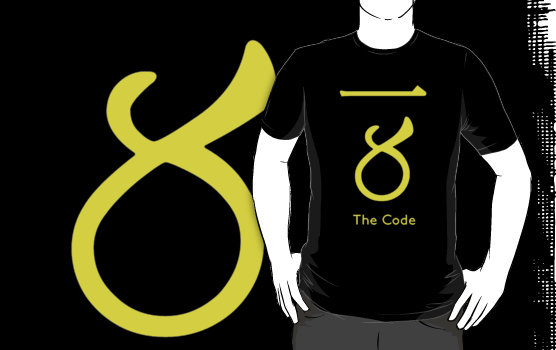
It goes without saying that Sherlock Holmes broke the code in The Blind Banker episode, just as mata claims to have done with the Shining REDRUM door encryption. Can’t wait to see more Sherlock; startled that these resonances came up with such a seemingly disparate source.
Filed under Carrcass Artists, Qbrick, Stanley, Shining, The
Danny-Psychiatrist 01
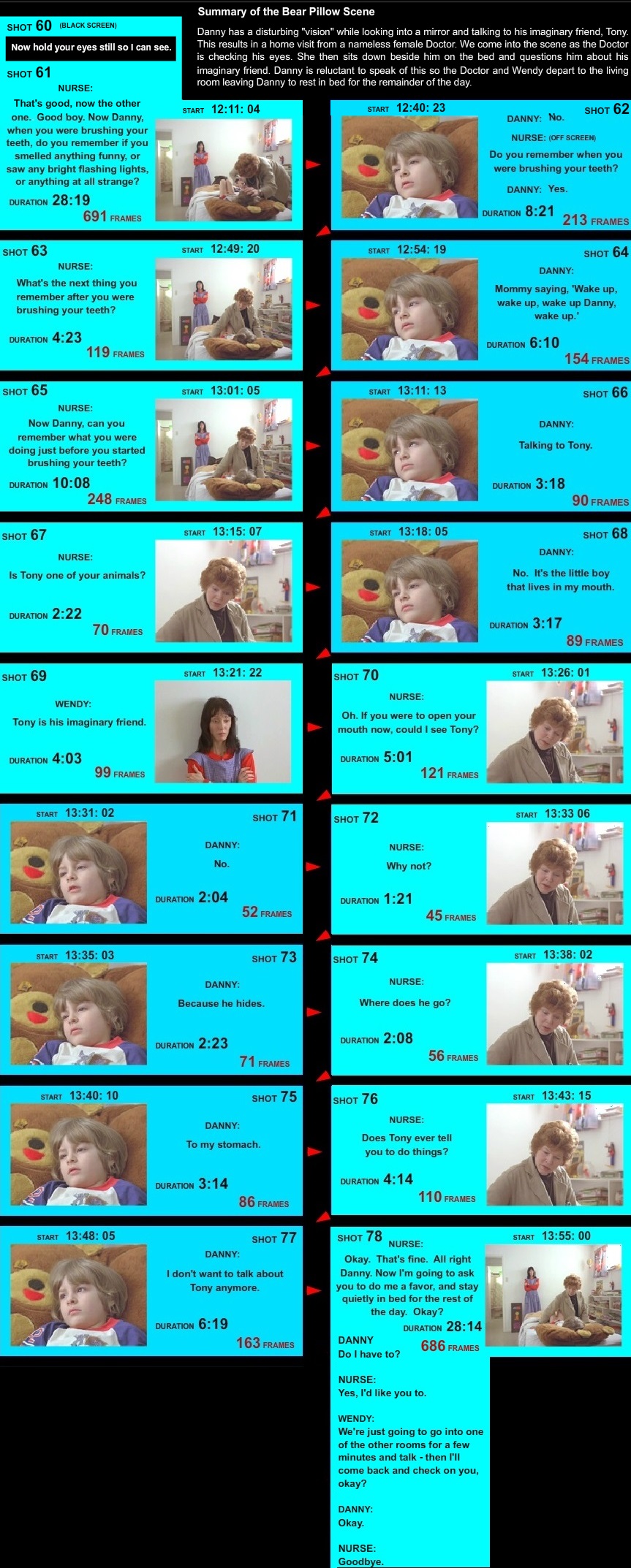
I’ve repurposed Crypto-Kubricology’s most excellent graphic of the Danny-psychiatrist scene, taking place within shots 61-78 of the film. Or what C-K called the Bear Pillow Scene here. Perhaps I’ll start to call it that as well, then.
Note: I decided to abandon this line of research for now.
Filed under Qbrick, Stanley, Shining, The
 Sunklands